Opens in a new tab
Coming soon Cold Brew Coming soon Showroom Coming soon Coffee of the Day Coming soon Cold Brew Coming soon Showroom Coming soon Coffee of the Day
FREE SHIPPING JOD 20+
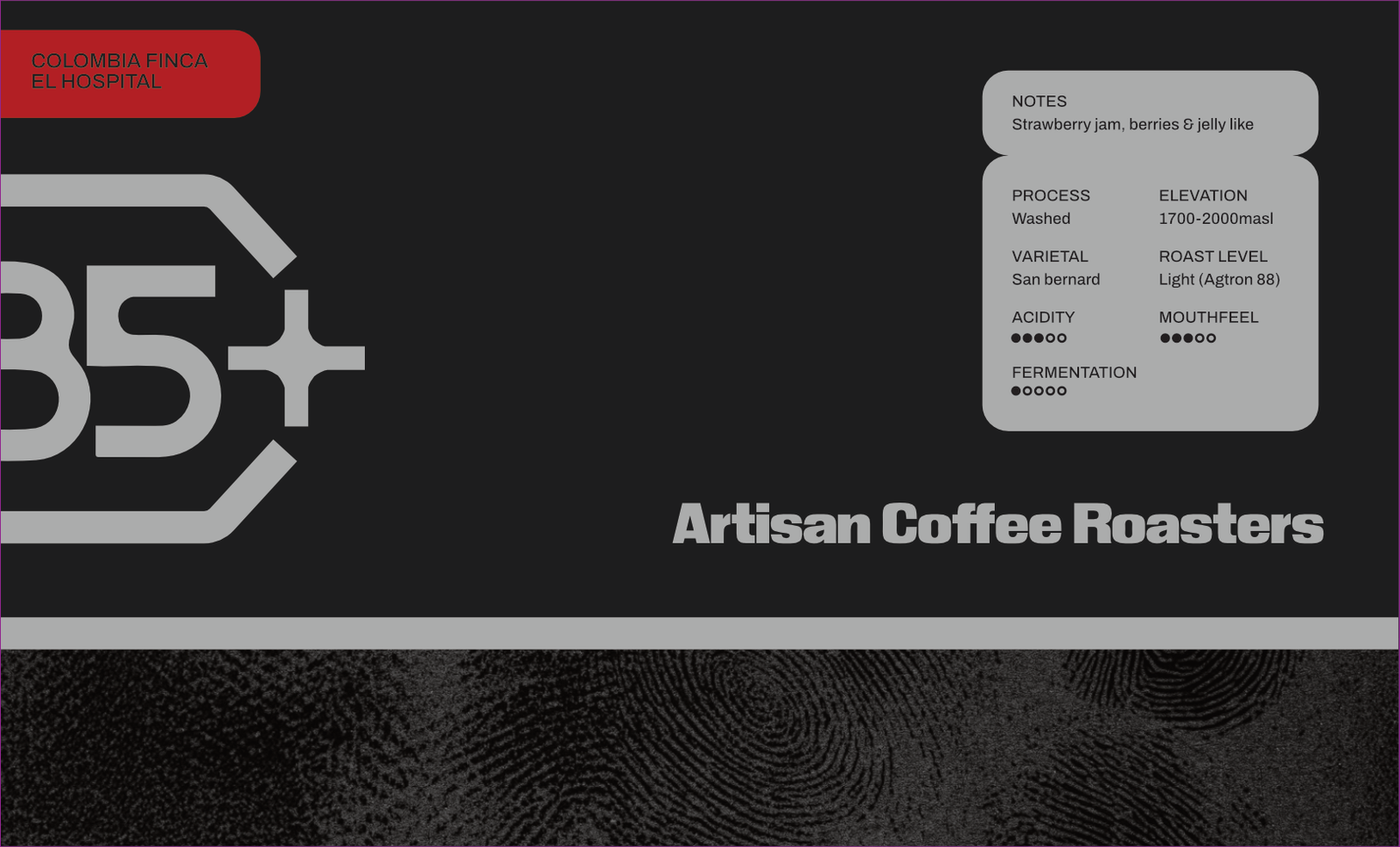
Popular Kenya AB Popular Geometry Popular Colombia EL Hospital Popular Colombia Geisha Popular Geometry Popular Rwanda Gitesi

Specialty Coffee in Amman

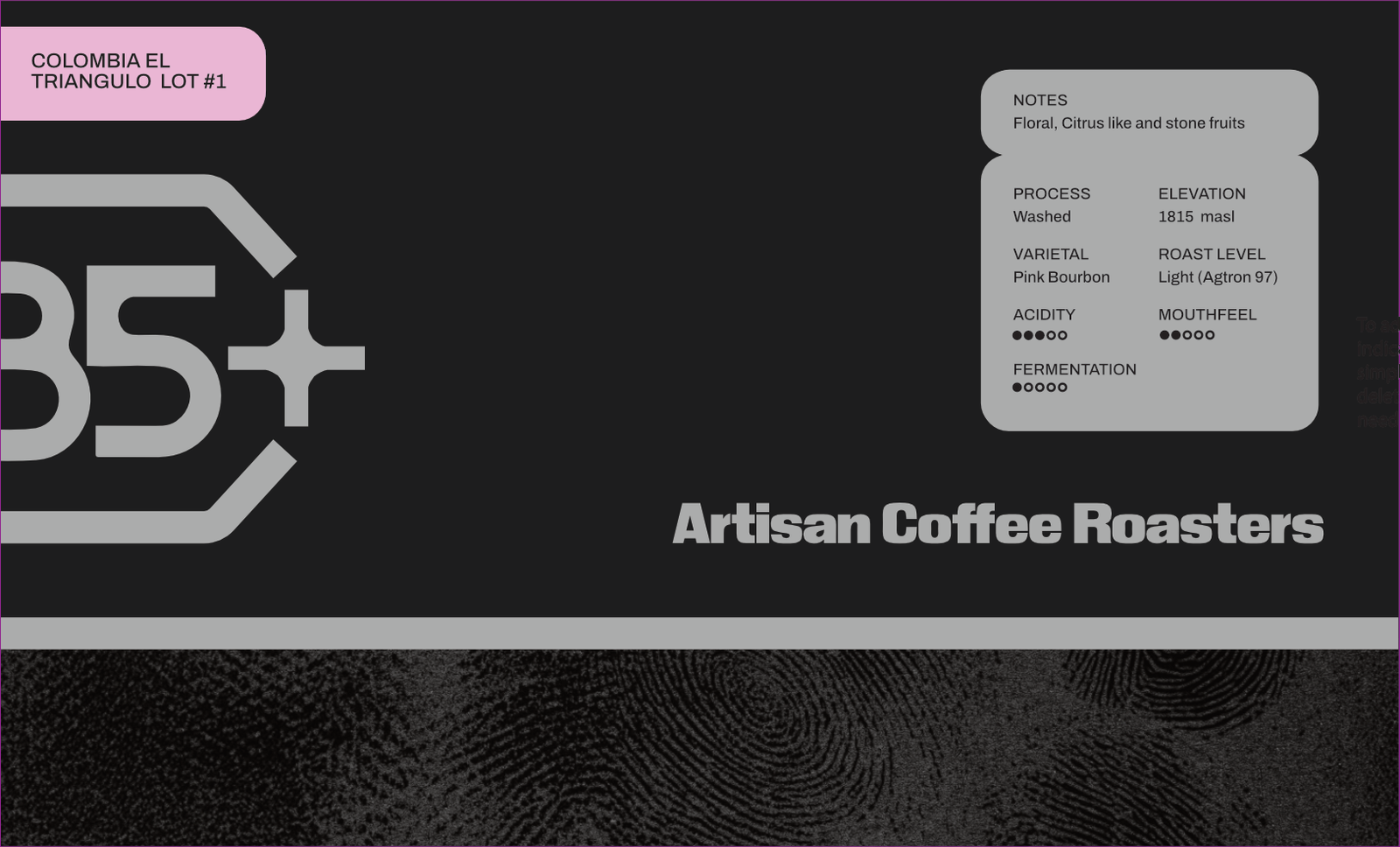
85+ Artisan Coffee Roaster is a specialty coffee micro-roastery in Amman, Jordan. Explore single origins, blends and brewing equipment, with coffees selected through blind cupping.

New In

Shop All

Who is 85+?

85+ Artisan Coffee Roaster is a specialty coffee micro-roastery based in Amman, Jordan. We select traceable coffees through blind cupping and work closely with producers and suppliers. We offer coffee beans and brewing equipment online, plus wholesale support for cafés, including equipment selection, menu development and staff training.

Popular

Shop All
Cold Brew
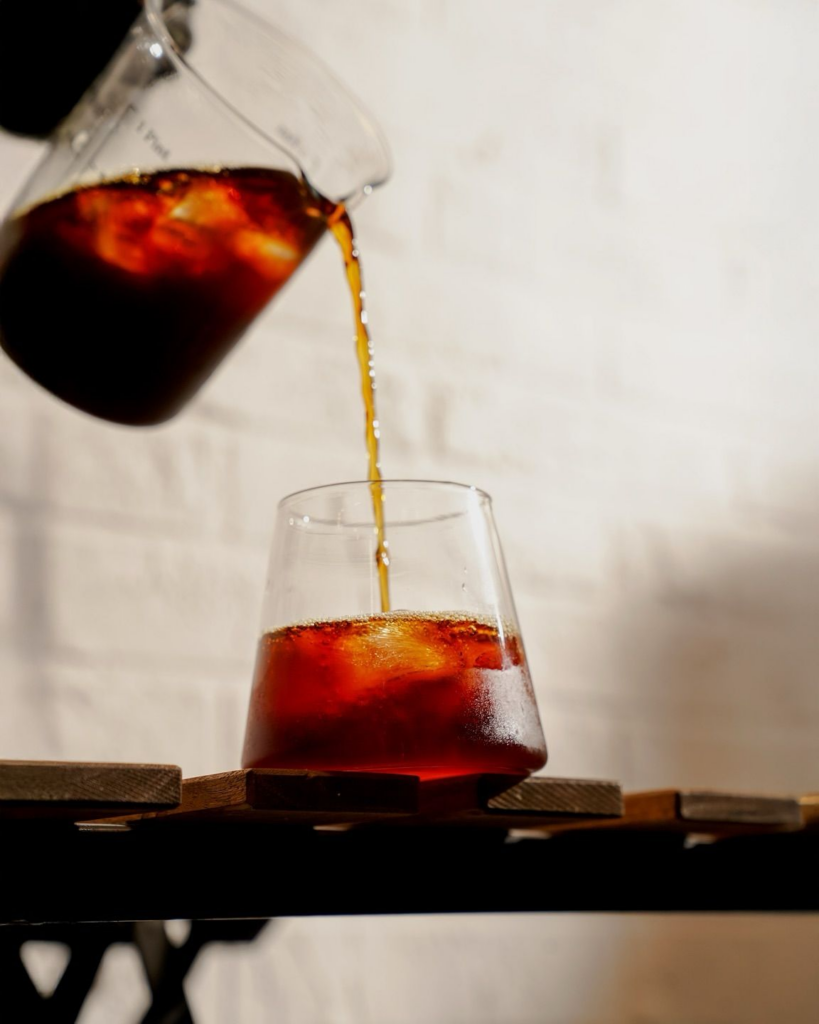
Cold brew is made by steeping ground coffee in cool or cold water, then filtering it. Our cold brew range is coming soon; explore our current beans and brewing guides while you wait.
Coming Soon
Brew Equipment
Explore brewing equipment and accessories in our online shop. Check each product's details for size and compatibility, and use our guides to get to know your brewing method.
Shop
Wholesale
85+ Artisan Coffee Roaster supports cafés with equipment selection, menu development and staff training. Contact us to discuss your wholesale requirements.
Contact Us

Coffee questions answered

From our coffee FAQ, last updated .

How do I choose coffee for espresso or filter brewing?

Start with the flavors you enjoy, then check the product's brewing description. Espresso and filter are brewing methods, so a coffee does not become a different type of bean when you switch methods. A product marked Espresso & Filter provides a useful starting point for exploring both.

  • For familiar flavors, look for notes such as chocolate, nuts or caramel.
  • For something more fruit-forward, compare bags with citrus, berry, floral or tropical-fruit notes.
  • Use the suggested brewing method and recipe as a starting point, then adjust by taste.

Light, medium and dark roasts can all be used for either method. Espresso produces a short, concentrated drink; filter brewing typically produces a longer cup. For drink styles and milk options, see our guide to espresso, milk drinks and filter coffee.

Should I choose whole beans or ground coffee?

Choose Whole Beans if you have a grinder and want to adjust the grind for your recipe. If you need ground coffee, select the option matching your brewing method from the choices shown on the product page. Check that selection before adding the bag to your cart.

Buying whole beans gives you flexibility to change the grind between brewers. With pre-ground coffee, keep the chosen method in mind when following a recipe. Our home brewing guide compares French press, AeroPress and pour-over.

What coffee bag sizes can I order?

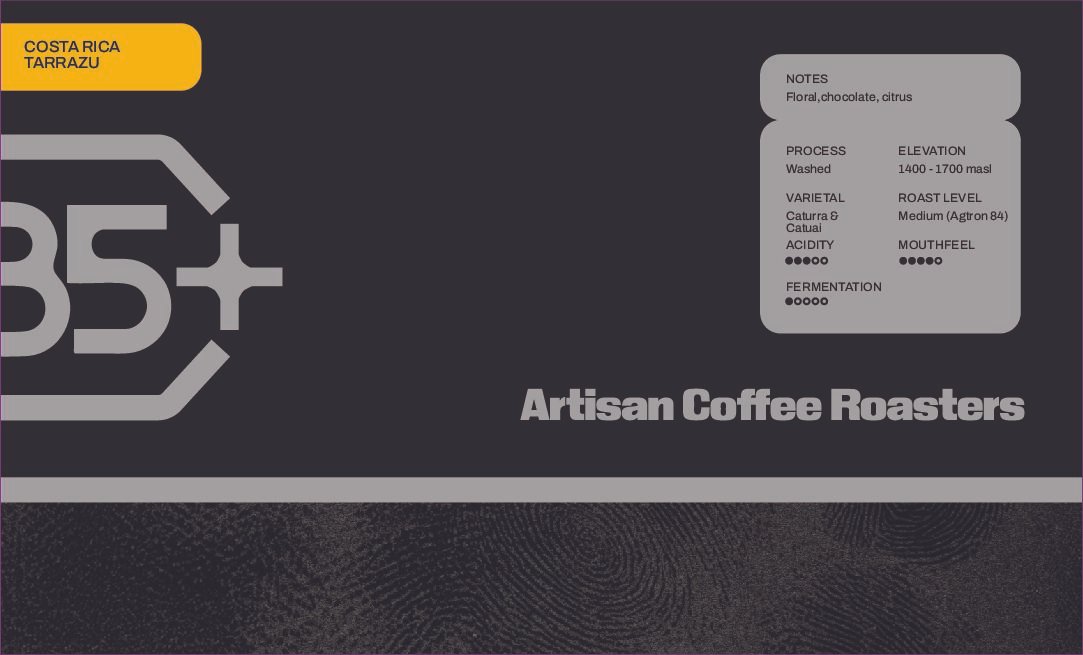
Check the size selector on the coffee you want to order. For example, the Costa Rica Tarrazu product page lists 250g and 1kg options. Sizes, prices and availability are product-specific, so confirm the selected option and the displayed price before adding it to your cart.

What coffee-to-water ratio should I use for pour-over?

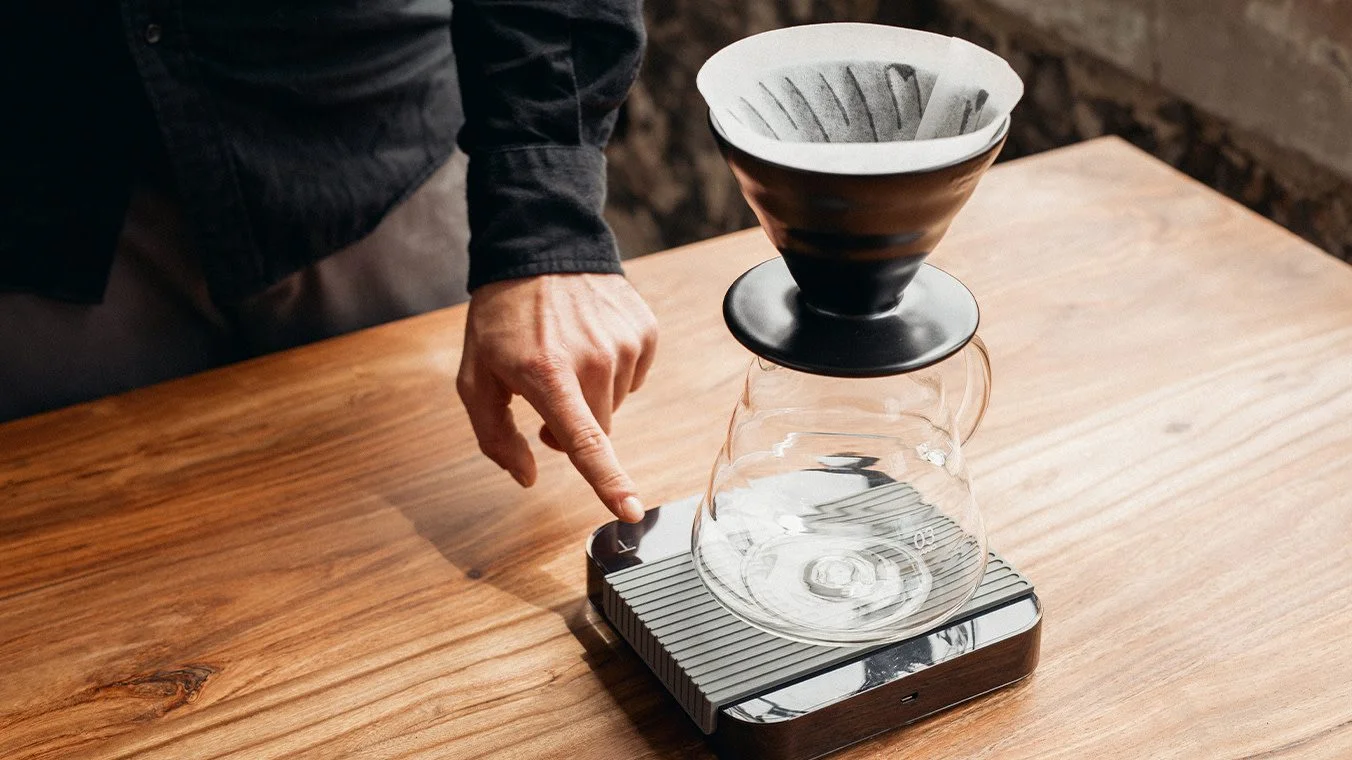
A useful starting point is 1:16: 20g of coffee to 320g of water. The ratio compares dry coffee with the water added during brewing, not the finished drink's weight. It is a starting recipe to adjust by taste.

  1. Weigh the coffee and brew water so you can repeat the recipe.
  2. Follow the recipe's grind, temperature and pour schedule.
  3. Taste the coffee as it cools and note what you would like to change.
  4. Adjust one variable at a time, then compare the next brew.

For a different complete recipe, Tetsu Kasuya's 4:6 recipe published by HARIO uses 20g of coarse-ground coffee and 300mL of water at 92°C, with a total time of 3:30. That is a 1:15 recipe, with its own pour schedule. Our pour-over brewing guide explains the example and practical adjustments.

What do washed, natural and honey mean on a coffee label?

These terms describe how the coffee fruit is processed before roasting. They can help you compare coffees, but they do not guarantee a particular flavor.

  • Washed: the fruit skin, pulp and remaining mucilage are removed before the seeds are dried.
  • Natural: the coffee dries in the whole cherry before the dried fruit layers are removed.
  • Honey: after depulping, some or all of the sticky mucilage remains during drying. No honey is added.

Cafe Imports' Honey Process guide explains how mucilage retention and drying choices affect honey processing. For origin, roast and variety terms too, read our coffee label guide.

Does 85+ offer wholesale support for cafés?

Yes. Our wholesale program covers coffee supply and support with equipment selection, menu development and staff training. Use the wholesale inquiry form to tell us about your business and discuss the support you need.

It helps to describe your brewing setup, the drinks you plan to serve and whether you need equipment or training advice. The details of a wholesale arrangement can then be discussed around your business.

See all coffee questions

Notes & Guides

Espresso vs. filter coffee: explore brew styles and recipes. Tetsu Kasuya’s 4:6 recipe uses 20g coffee and 300mL water at 92°C, as published by HARIO.