
Understanding The Label on Your Bag of Roasted Coffee
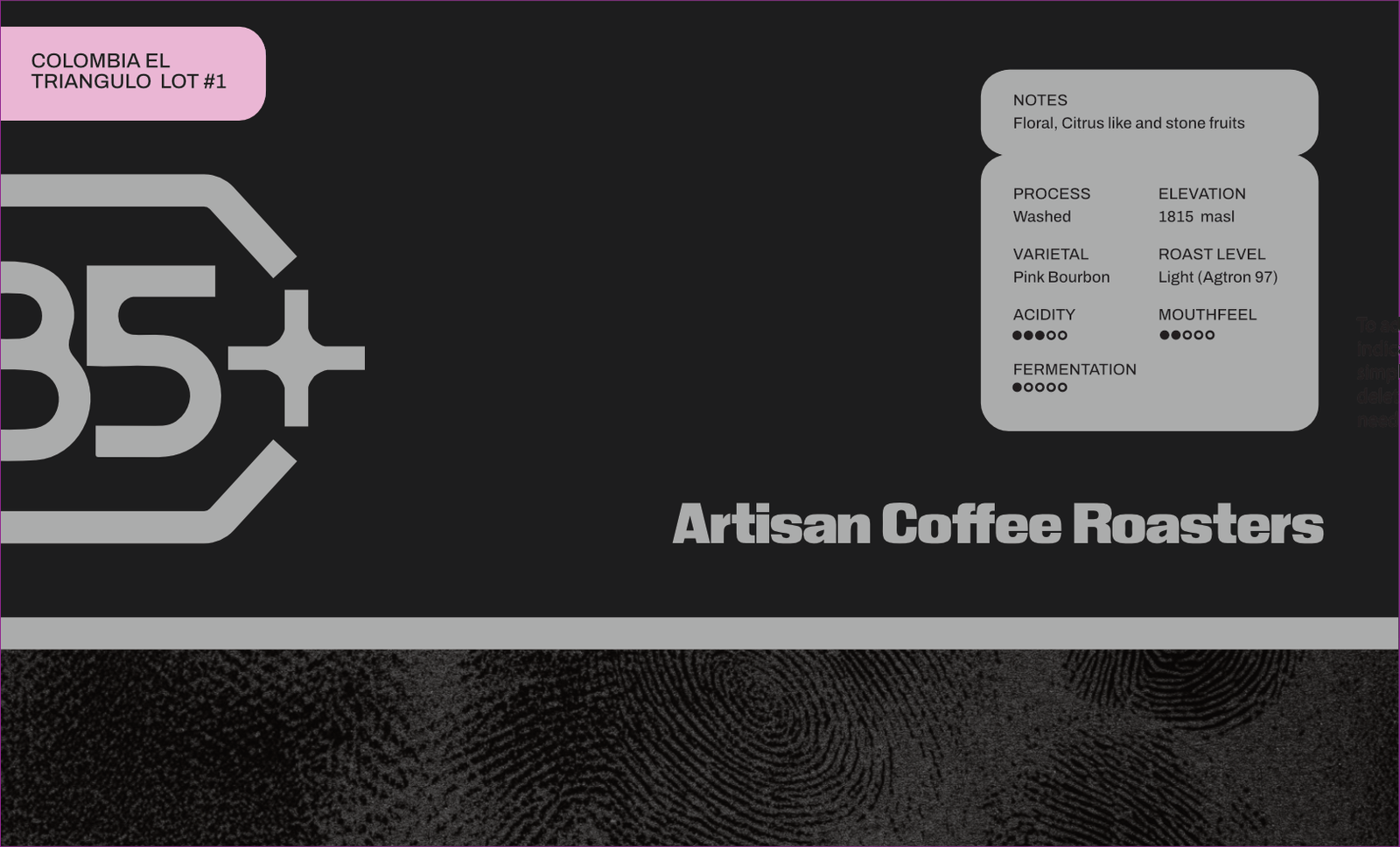
You’re ready to buy delicious roasted coffee to enjoy at home—but with so many options on the shelf, how do you even decide? When you’re staring at a washed medium-roast (Comfort roast) Heirloom from Ethiopia in one hand and a natural Red Catuai from Honduras in the other, it’s easy to feel overwhelmed. What do these terms actually mean?
Single Origin vs. Blends: How to Choose Your Perfect Coffee
When browsing coffee labels, you’ll often see terms like “single origin,” “blend,” or even “micro-lot.” But what do these actually mean—and why should you care?
Single origin means the coffee comes from one specific region or farm (sometimes called a “single estate”).
Blends are a mix of beans from different origins, crafted to create a balanced or unique flavor.
Micro-lots are ultra-small batches from a particular section of a farm, often prized for their distinct taste.
But why does this matter? Because where and how coffee is grown shapes its flavor—everything from the country and altitude to the processing method and varietal plays a role.
Single Origins: Unique & Expressive
These coffees are like fine wine—each one highlights the unique terroir of its origin. Roasters often keep them pure to preserve their distinctive flavors, whether it’s a bright, floral Ethiopian or a chocolatey Guatemalan.
Blends: The Art of Balance
A great blend isn’t just a random mix—it’s a roaster’s masterpiece. Maybe a fruity Ethiopian needs a touch of a heavier Brazilian bean to round it out.
Which One Should You Choose?
Single origins let you explore the world’s flavors—compare a citrusy Kenyan to a caramel-sweet Colombian.
Blends can offer consistency and complexity, especially for espresso or milk-based drinks.
Pro Tip: Don’t dismiss blends just because they mix beans—some are incredible! And while single origins often carry prestige (and higher prices), the best coffee is the one you enjoy most.
Ready to experiment? Try a bright, acidic Guatemalan next to a smooth, fruity Costa Rica, then explore different regions within the same country (like Colombia’s Nariño vs. Santander). Keep an open mind—not all coffees from the same country taste alike!
Coffee Roast Levels Explained: Bright, Comfort, or Dark—Which Is Best?
You’ve probably seen all kinds of roast names on coffee bags—Light, Medium, Dark, Bright, Comfort , Filter, dark—but what do they actually mean for your cup?
Here’s the key: Roasting unlocks the flavors hidden inside the beans. But it’s a delicate balance.
Under-roasted? Your coffee might taste grassy or sour.
Over-roasted? Bitter, smoky, and overpowering—the bean’s natural character gets lost.
Just right? The roast enhances the coffee’s unique flavors without masking them.
So, Which Roast Should You Choose?
Specialty coffee lovers often lean toward lighter roasts (bright, fruity, complex), but the “best” roast really depends on:
The beans – Some shine with a light touch, while others thrive with deeper roasting.
Your brewing method – Espresso often suits medium-dark, while pour-over highlights light roasts.
Your taste buds – Love bold, chocolatey flavors? Dark roast might be your match. Prefer floral, tea-like notes? Go light.
The bottom line? There’s no “right” roast—only the one that makes your perfect cup. Experiment and enjoy the journey!
Light Roasts (Agtron 85 – 100 )
Flavor profile: Bright, fruity, and acidic—perfect for showcasing the bean’s natural characteristics.
Myth busted: Some say light roasts aren’t sweet, but high-quality specialty coffee often shines with delicate, complex sweetness in lighter roasts.
Best for: Those who love vibrant, tea-like coffees with floral or citrusy and fruity notes.
Medium Roasts (Agtron 71 -84)
- Flavor profile: Balanced—smooth with a touch of dry distillation notes, but without overpowering the bean’s origin flavors.
- Best for: Drinkers who want complexity and a hint of classic coffee richness.
Dark Roasts (Agtron 60 – 70)
Best for: Those who love intense, chocolatey, or smoky flavors (or a sturdy base for milk drinks).
Flavor profile: Bold, toasty, and full-bodied—you’ll taste the roast more than the bean’s origin.
Controversy alert: Some specialty coffee lovers dismiss dark roasts, assuming they mask low-quality beans—but a well-executed dark roast can be delicious.
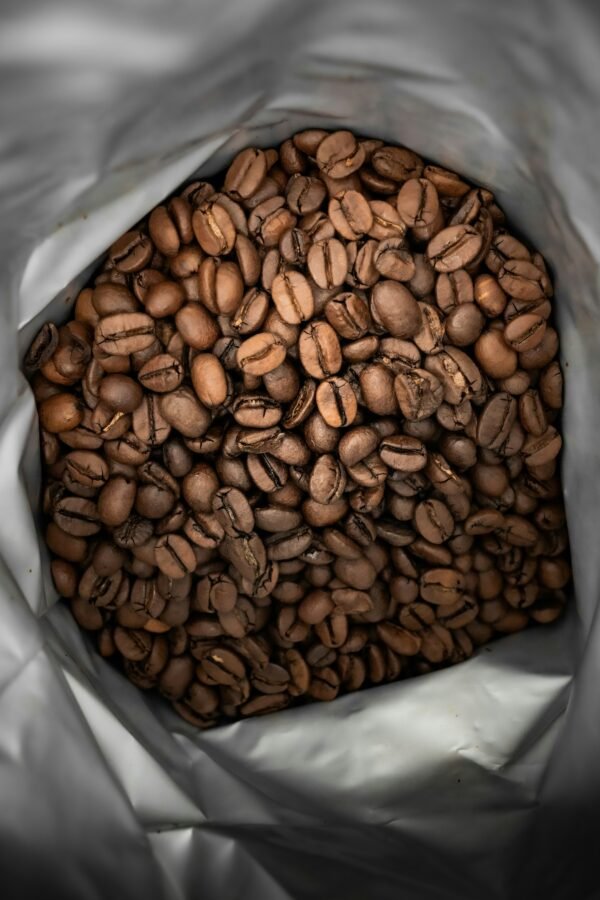
Coffee Processing Methods: How They Shape Your Brew’s Flavor
You might think of coffee as a “bean,” but it’s actually the seed of a fruit—a cherry-like berry that grows on coffee plants. Before those seeds become your morning cup, they go through a crucial step called processing, where the sticky fruit layers are removed. The method used doesn’t just clean the beans—it transforms their flavor.
Here’s how different processing techniques affect your coffee:
Washed (Wet Process)
How it works: The cherry pulp is stripped away with water, then the beans are dried.
Flavor profile: Clean, bright, and true to the bean’s natural character—expect crisp acidity and clarity.
Best for: Those who love terroir-driven coffees with nuanced flavors.
Natural (Dry Process)
How it works: Whole cherries dry in the sun, fermenting slightly as they shrivel.
Flavor profile: Boldly fruity, sweet, and sometimes wine-like. Risky if done poorly (can taste funky), but amazing when done right.
Bonus: Eco-friendly—it uses little water!
Honey/Pulped Natural
How it works: Some cherry pulp is left on the beans during drying. “White honey” (least pulp) to “black honey” (most pulp) versions exist.
Flavor profile: The best of both worlds—balanced sweetness, body, and acidity. More pulp = richer taste.
Experimental Methods: Anaerobic Fermentation
Anaerobic Natural/Washed: Beans ferment in oxygen-free tanks, intensifying fruity or funky flavors. Think tropical fruit or even whiskey-like notes.
Anaerobic Natural: Fermented inside whole cherries (big, boozy fruitiness).
Anaerobic Washed: Fermented after pulping (cleaner but still wild flavors).
Pro Tip: The best way to “get” processing? Taste it side by side! Try a washed and natural coffee from the same farm—you’ll be shocked how different they are.
Coffee Species & Varieties: Why Your Beans’ DNA Matters
Think all coffee tastes the same? Think again. Just like wine grapes, coffee plants have distinct genetic profiles that shape your cup’s flavor. Let’s explore the key players in the coffee world.
The Variety Show: Coffee’s Flavor Secret
Each Arabica variety brings its own personality:
| Variety | Flavor Profile | Body | Standout Trait |
|---|---|---|---|
| Bourbon | Caramel sweetness | Medium | Classic crowd-pleaser |
| Typica | Clean, balanced | Light | The OG coffee variety |
| Geisha | Jasmine, tropical fruit | Tea-like | Most prized (and priced) |
| Pacamara | Bold, chocolatey and complex | Heavy | Big beans, intense flavor |
| Caturra | Bright, citrusy | Medium | High-altitude star |
Pro Tip: Want to taste variety in action? Compare:
- A washed Bourbon vs. Caturra from the same Colombian farm
- A natural Bourbon from Rwanda vs. a washed one
The differences will surprise you – that’s the magic of specialty coffee! Every bean tells a story of its genetics, terroir, and craft.
Remember: Great coffee isn’t about finding “the best” variety – it’s about discovering which flavors speak to your palate.