Filter coffee
COSTA RICA TARRAZU
• NEW
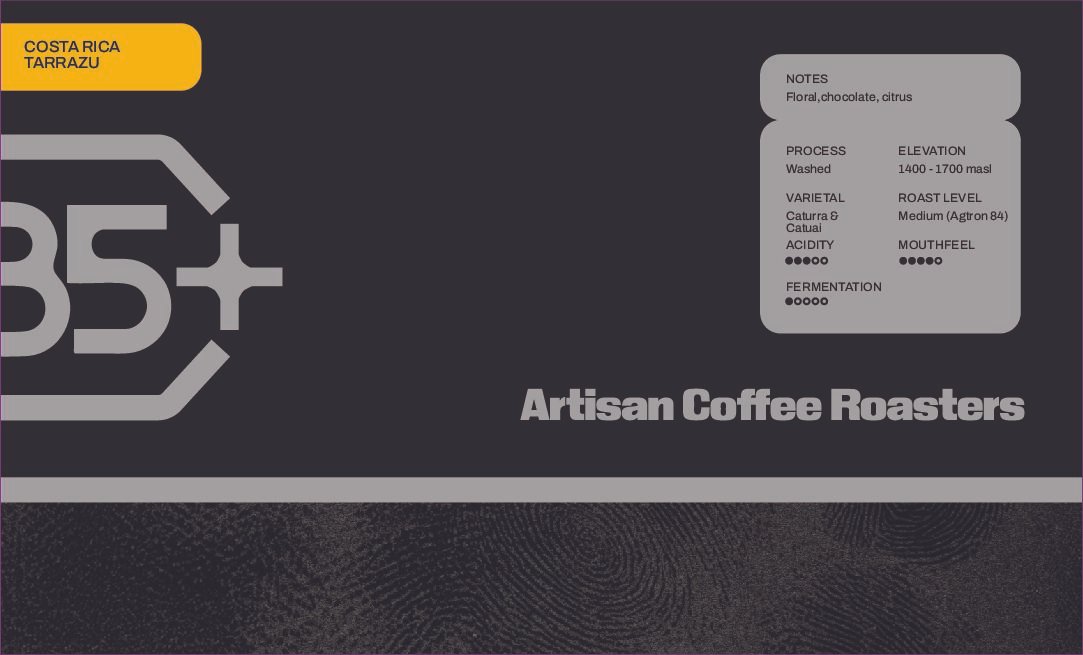
ACIDITY
Mouthfeel
Fermentation
1

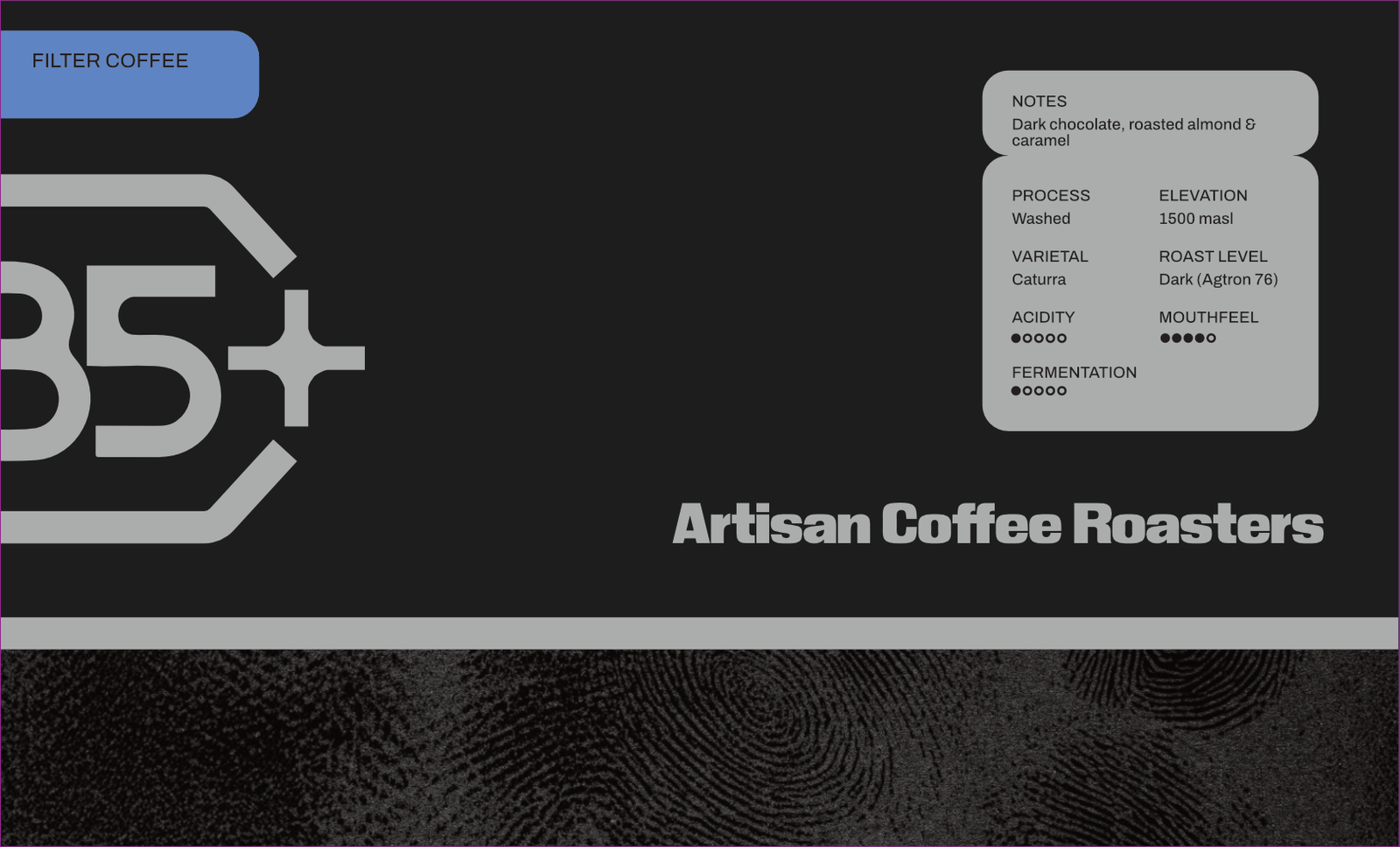
Filter Coffee is made for filter-machine brewing, with tasting notes of dark chocolate, roasted almond and caramel and a long finish.
The filter machine handles it the way it handles everything — quietly, consistently. And that’s exactly what this coffee wants.
What comes out is thick, dark, and steady — a cup that knows its own weight.
Tasting notes of dark chocolate, roasted almond, caramel & a long finish.

How should I store coffee beans?
Keep coffee in an airtight, opaque container in a cool, dark cupboard, away from heat and moisture. Buy an amount you can use regularly, and grind only what you need just before brewing. The National Coffee Association’s storage guide explains these everyday storage principles.
Should I keep coffee in the fridge?
A cool, dark cupboard is a simple choice for coffee you use every day. Refrigeration is not essential; moisture, condensation and nearby odors are the main concerns. If you refrigerate coffee, use a truly airtight container and handle it carefully to avoid condensation on the beans.
Can I freeze coffee beans?
Yes. Freezing can slow freshness loss. Store small portions in airtight packaging so you can take out only what you need. Let a sealed portion reach room temperature before opening it to reduce condensation. Avoid repeatedly opening the frozen reserve. The SCA’s science of coffee freshness explains the effects of temperature and moisture.
How long should coffee rest after roasting?
There is no single rest period for every coffee. Roast profile affects how quickly beans release gas, while storage conditions affect freshness. Use any roast date and brewing advice supplied with your coffee, and compare cups while keeping your recipe consistent. Ask us for a starting point for the coffee you have chosen.
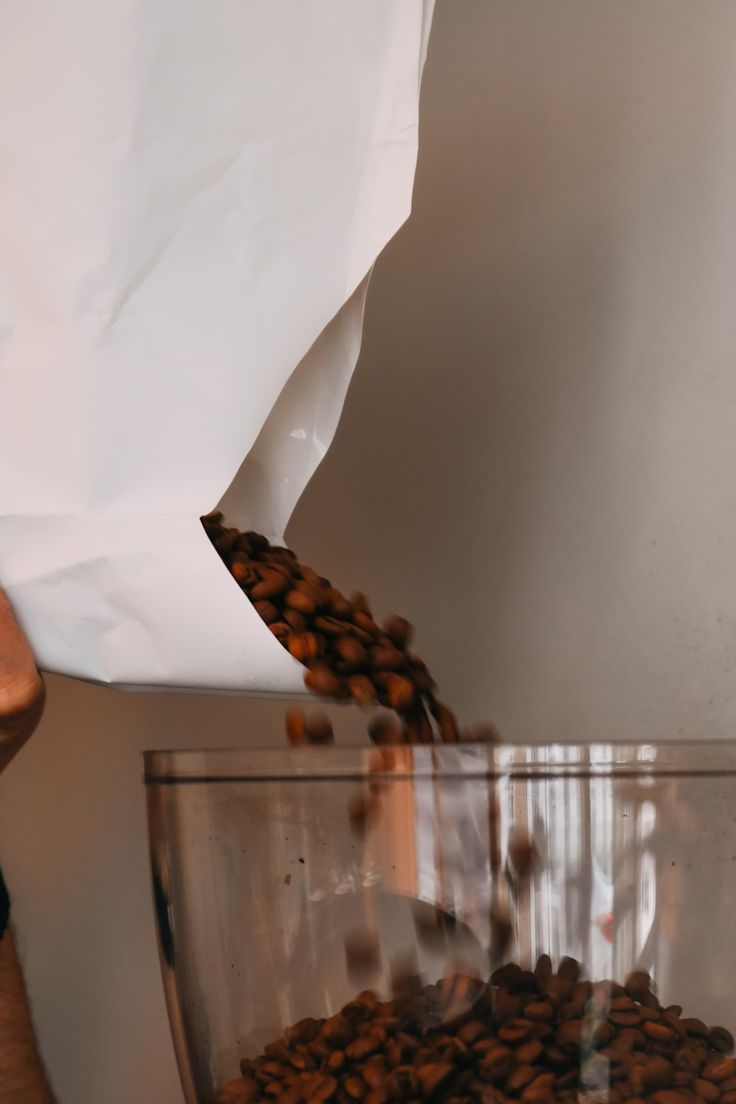
For filter coffee, start with 15g of coffee and 240g of water at 93°C: a 1:16 ratio. Follow the pour schedule below and adjust the grind by taste. For espresso, the starting recipe below uses 19g of coffee and a 44g yield in about 30 seconds.
For filter coffee, start with 15g of coffee and 240g of water at 93°C: a 1:16 ratio. Follow the pour schedule below and adjust the grind by taste. For espresso, the starting recipe below uses 19g of coffee and a 44g yield in about 30 seconds.